Culture & Science | September 10, 2025
Left vs Right Eye Twitching: Myths, Superstitions, and Medical Facts
Does a twitch in your left eye mean bad luck? Does the right mean good fortune? We explore the fascinating global myths before diving into what’s *really* happening with your eye.
Quick answer: In folklore, the meaning depends on the eye, the culture and, in India, whether you're a woman or a man:
- Right eye: in India, good luck for men but a bad omen for women; in China, a bad omen ("right eye jumps for disaster").
- Left eye: in India, good luck for women but a bad omen for men; in China, good luck and money coming ("left eye jumps for wealth").
- Medically: neither eye means anything. A twitch in either eyelid (eyelid myokymia) usually comes from stress, poor sleep, caffeine or screen strain, and normally fades within days to a few weeks.
See a doctor if the twitch lasts more than a few weeks, makes your eyelid close completely, spreads to other parts of your face, or comes with a drooping lid, redness, swelling or discharge.
Your right eye starts to flutter uncontrollably. Immediately, an old family saying pops into your head: "Right eye for riches, left eye for loss." A wave of optimism washes over you. A week later, your left eye starts twitching, and that optimism is replaced by a sense of dread. This experience is universal. The search for the left eye twitching meaning or the right eye twitching causes is one of the most common online queries, driven by a fascinating blend of cultural superstition and genuine medical concern.
You've landed in the right place for a definitive answer. While the folklore is rich and varied, the medical reality is often far more straightforward—and reassuring. In this exhaustive guide, we will first take you on a journey through the captivating world of eye twitching superstitions. Then, we will ground you in the science, explaining the actual physiological reasons for your twitch and clarifying once and for all whether the location—left or right—has any medical significance.
This article is a core part of our mission to provide clear, evidence-based information. For a foundational understanding of all twitching causes, we highly recommend our main pillar post: Why Is My Eye Twitching? A Deep Dive into Causes & Anxiety.
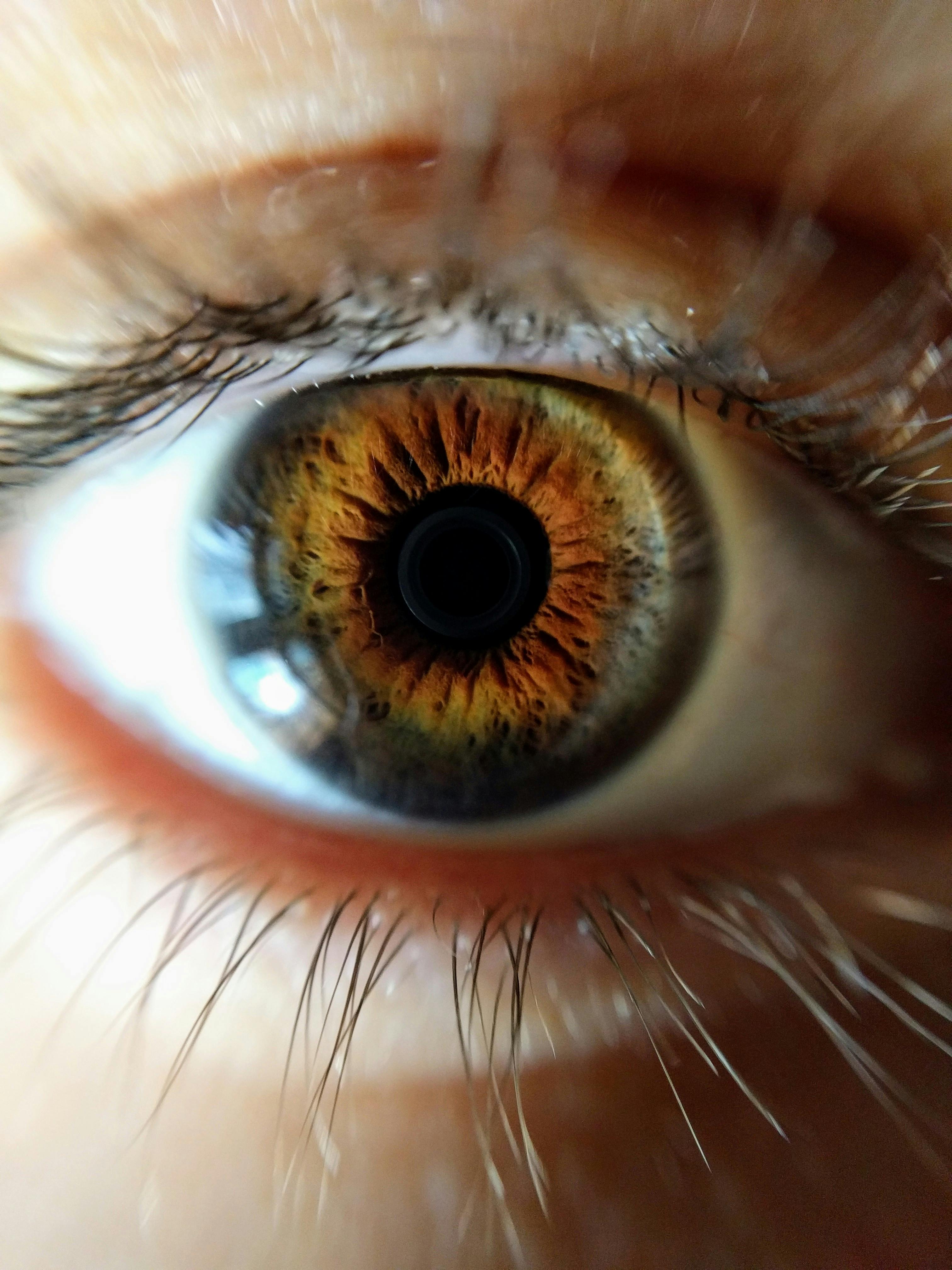
Part 1: The World of Superstitions (What the Myths Say)
For centuries, before we understood the nervous system, humans sought meaning in these strange bodily phenomena. An involuntary twitch was seen as an omen, a message from the spiritual world. This tendency, known as apophenia—the brain's desire to find patterns in random data—is a powerful part of our shared history. Let's explore some of the most enduring beliefs.
Beliefs from India and the Indian Subcontinent
In many parts of India, the interpretation of an eye twitch (or 'Phadakna') is highly specific and depends on both the eye and the person's gender. This is one of the most complex sets of beliefs, often tied to ancient astrological and somatic texts.
- For Men: A twitch in the right eye is generally considered a good omen, signaling impending good fortune, good news, or financial gain. Conversely, a twitch in the left eye is seen as a bad omen, predicting bad luck, unpleasant events, or even an impending struggle.
- For Women: The meaning is completely reversed. A twitch in the left eye is a sign of good luck, happiness, and good news, while a twitch in the right eye is considered inauspicious or a warning of sorrow.
Beliefs from China and East Asia
Chinese culture also has a rich history of interpreting eye twitches, with meanings that can vary by the exact time of day. However, the most common general belief is a simple binary:
- Left Eye Twitching: This is almost universally seen as a sign of good luck. It could mean that money is coming your way or that you will receive good news. "左眼跳財" (zuǒ yǎn tiào cái) is a common saying, meaning "Left eye jumps for wealth."
- Right Eye Twitching: This is generally considered a bad omen. It might foretell an argument, an accident, or receiving bad news. "右眼跳災" (yòu yǎn tiào zāi) means "Right eye jumps for disaster."
African and Caribbean Beliefs
Across various African and Caribbean cultures, the interpretations can also be quite specific, often relating to social interactions and events.
- Twitching Lower Eyelid: This often means you are about to shed tears or experience sorrow.
- Twitching Upper Eyelid: This is often seen as a sign that you will meet someone unexpectedly or receive a surprise visitor.
- In some traditions, a left eye twitch can mean someone is speaking ill of you or gossiping behind your back, while a right eye twitch might mean you'll soon meet a stranger who will become a friend.
Hawaiian Beliefs
In traditional Hawaiian culture, the interpretations are different still:
- A twitch in the left eye can signal the arrival of a stranger or, in some cases, a death in the family.
- A twitch in the right eye is often a sign of an impending birth.
A Quick Comparison of Global Superstitions
| Region / Culture | Left Eye Twitch Meaning | Right Eye Twitch Meaning |
|---|---|---|
| India (for Men) | Bad Omen / Bad Luck | Good Omen / Good Fortune |
| India (for Women) | Good Omen / Good Fortune | Bad Omen / Bad Luck |
| China | Good Luck / Wealth | Bad Luck / Disaster |
| Africa (General) | Someone is gossiping about you | You will embark on a journey |
| Hawaii | Arrival of a stranger / A death | An impending birth |
As you can see, the meanings are wildly inconsistent and often contradictory. What is considered good luck in one culture is a sign of disaster in another. This inconsistency is the first clue that these beliefs are rooted in folklore, not physiological reality.

Part 2: The Medical Reality (What Is Actually Happening)
Now, let's leave the world of superstition and enter the world of science. From a medical perspective, an eye twitch is known as benign eyelid myokymia. It's an involuntary, spontaneous contraction of the orbicularis oculi muscle in your eyelid. And most importantly, it has absolutely nothing to do with luck or your future.
The Big Question: Is There Any Medical Difference Between Left and Right?
No. Unambiguously, no. To a neurologist or an ophthalmologist, there is zero clinical significance whether your left eye or your right eye is twitching. Your body's nervous system is bilaterally symmetrical. You have a facial nerve (Cranial Nerve VII) that controls the muscles on the left side of your face and a separate one for the right. A systemic trigger—like stress, caffeine, or fatigue—can irritate either of these nerves (or both) randomly.
Thinking there's a difference is like believing a muscle cramp in your left leg is medically different from one in your right leg. The mechanism is the same; the location is simply where the symptom manifested. The randomness of the location is actually a reassuring sign, as it points towards a systemic, benign trigger rather than a localized, structural problem.
The Real Causes of Your Eye Twitch: A Deeper Look
So, if it’s not an omen, what is it? Your eye twitch is a signal from your nervous system. It's a "check engine" light indicating that your system is in a state of hyperexcitability. The most common triggers include:
- Stress and Anxiety: The number one cause. Stress hormones act as powerful nerve stimulants. We explore this deeply in our article on Eye Twitching Anxiety.
- Fatigue and Sleep Deprivation: Lack of sleep prevents your nervous system from repairing itself, leaving neurons irritable and prone to misfiring. During sleep, your brain clears metabolic waste; without enough, this "neural noise" can manifest as twitches.
- Caffeine and Stimulants: Caffeine is a direct nerve stimulant that can easily trigger fasciculations. Learn more in our guide to Caffeine and Eye Twitching.
- Digital Eye Strain: Staring at screens fatigues the ciliary and orbicularis oculi muscles, leading to strain and twitching. The reduced blink rate also causes dryness, a major irritant.
- Nutritional Factors: Imbalances in electrolytes like magnesium and potassium are common culprits. Magnesium acts as a natural calcium channel blocker, helping to calm nerves. When it's low, nerves can become hyperexcitable.
- Dry Eyes or Irritation: Physical irritation from allergies, dust, or a poor tear film can cause the eyelid muscle to spasm in a protective reflex.
If your twitching is persistent and you also experience twitches in other parts of your body (like your calves or arms) — or sensations like internal vibrations and buzzing — it could be part of a broader condition called BFS. In BFS, the location of twitches is famously random and migratory. A twitch might live in your left eye for a week, then disappear and pop up in your right calf, then your back, then your arm. This randomness is a hallmark of its benign nature. The fact that the twitch moves is actually a good sign.
A Self-Assessment Checklist: What Is Your Twitch *Really* Telling You?
Instead of consulting folklore, consult your lifestyle. Ask yourself these questions:
- My Stress Levels: "Have I been under unusual stress at work or home in the last month?"
- My Sleep Quality: "Have I been consistently getting 7-9 hours of quality sleep, or have I been cutting corners?"
- My Caffeine Intake: "How much caffeine am I *really* consuming, including sodas, teas, and energy drinks?"
- My Screen Time: "Am I spending long hours in front of a computer or phone without taking regular breaks?"
- My Nutrition & Hydration: "Have I been eating a balanced diet and drinking enough water with electrolytes?"
The answer to why your eye is twitching is almost certainly in your answers to those questions, not in an ancient text.
Conclusion: Trust Science, Not Superstition
While the myths surrounding the meaning of left and right eye twitching are a fascinating part of human culture, they have no basis in medical reality. A twitching eye is not a predictor of your financial future or a sign that someone is talking about you.
It is a physical symptom with a physical cause. By understanding that the location is medically irrelevant, you can free yourself from the anxiety of superstition and focus on what truly matters: addressing the real-world triggers. Your eye isn't trying to tell you about your luck; it's telling you to get more sleep, manage your stress, and maybe cut back on that third cup of coffee. And that's a message worth listening to.
Scientific References
Evidence supporting the medical explanation for left/right eyelid myokymia (benign and trigger-driven, side not clinically significant), plus key triggers and benign fasciculation data.
- Chardoub AAJ, Patel BC. Eyelid Myokymia. StatPearls [Internet]. 2025–. (Overview; common triggers include stress, fatigue, caffeine; benign course.)
NCBI Bookshelf - Eyelid Myokymia. EyeWiki (American Academy of Ophthalmology). 2025 update. (Definition, typical unilateral presentation, differentiation from blepharospasm/hemifacial spasm.)
EyeWiki - Banik R. Chronic myokymia limited to the eyelid is a benign condition. J Neuroophthalmol. 2004;24(1):30–32. (Natural history; benign prognosis; treatment options.)
PubMed - Rosenfield M. Computer vision syndrome (digital eye strain): a review. Ophthalmic Physiol Opt. 2011;31(5):502–515. (Reduced blink rate/dry eye with screen use as common irritants.)
PubMed - Filippakis A, Jara J, Ventura N, et al. A prospective study of benign fasciculation syndrome and anxiety. Muscle & Nerve. 2018;58(6):852–854. (BFS course; relationship with anxiety/health anxiety.)
PubMed
© 2026 BFS Organization. All rights reserved.
Not medical advice. Always consult with a healthcare professional.