Sleep Science & Wellness | September 10, 2025
Eye Twitching at Night: Why It Happens and How to Sleep Better
You’re finally ready for bed, but your eyelid has other plans. We explore the science behind nighttime twitches and offer a complete plan to reclaim your rest.
You’ve made it through a long day. You turn off the lights, lay your head on the pillow, and as your body finally begins to relax, it starts: a persistent, rhythmic flutter in your eyelid. The quiet of the night amplifies the sensation, turning a minor annoyance into a maddening distraction that keeps sleep at bay. If you've ever found yourself searching for “eye twitching at night,” you know how frustrating and anxiety-inducing this experience can be.
It’s not your imagination; eye twitches often do feel more intense or frequent at night. This isn't because a new problem has developed, but because the end of the day creates a perfect storm of conditions that allow a twitch to thrive. It’s a combination of cumulative daily fatigue, a lack of sensory distractions, and the unique physiological state your body enters as it prepares for sleep.
This in-depth guide is designed to be your definitive resource on nighttime eye twitching. We will explore the scientific reasons it happens, differentiate it from other sleep-related phenomena, and provide you with a comprehensive, actionable plan to improve your sleep hygiene and finally stop the twitch. This article builds on the concepts in our main pillar post, which we recommend reading for a full overview: Why Is My Eye Twitching? A Deep Dive into Causes & Anxiety.
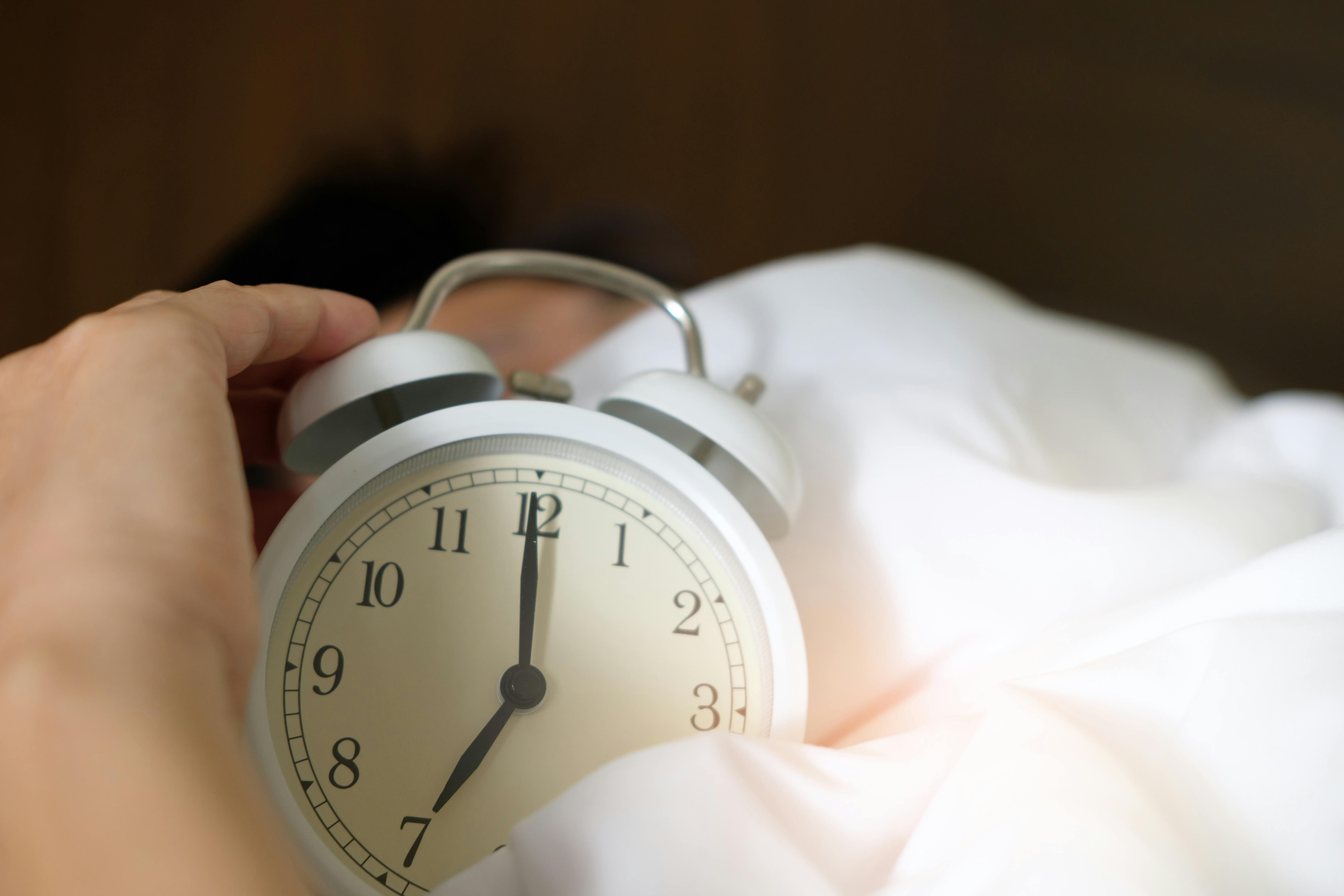
Why at Night? The Science of a Tired Body and a Quiet Mind
It can feel like a cruel joke—just as you're trying to rest, your body decides to run a marathon in your eyelid. There are several concrete physiological reasons why twitches are more noticeable when you’re in bed.
1. Cumulative Fatigue Peaks
The fatigue that triggers an eye twitch is cumulative. Every hour you spend working, staring at a screen, and dealing with stress adds a small amount of "neural noise" to your nervous system. By the end of the day, your nerves are at their most frayed and your muscles are at their most tired. This peak state of exhaustion means the "gate" that prevents a nerve from firing is lower, making the delicate, hard-working muscles of your eyelid particularly susceptible to misfiring.
2. The Absence of Distraction
During the day, your brain is a master of filtering. It's constantly bombarded with sensory input: conversations, traffic, music, work tasks. An intermittent eye twitch is easily drowned out by this noise. At night, in a quiet, dark room, your sensory landscape narrows dramatically. Suddenly, that tiny flutter in your eyelid is the loudest signal in the room, and your brain's "attentional spotlight" latches onto it, amplifying its perceived intensity.
3. The Hypnagogic State: Your Brain's "Gear Shift"
The transition from wakefulness to sleep is a unique neurological state known as the hypnagogic state. During this time, your brain begins to shift its patterns of activity, moving from active Beta waves to calmer Alpha and then Theta waves. Think of it as a car's gearbox shifting down. Sometimes, this "gear shift" isn't perfectly smooth, and it can cause minor, harmless phenomena like visual flashes, auditory pops, or muscle twitches (myoclonus), including in the eyelid. It's a sign of your brain "downshifting" for the night.
4. The "Wired but Tired" Hormonal Mismatch
Modern life often creates a mismatch between a physically exhausted body and a mentally stimulated brain. Late-night screen use, a stressful email before bed, or caffeine still lingering in your system can leave your brain "on" even when your body is desperate for rest. This results in a hormonal conflict: your melatonin (the sleep hormone) is trying to rise, but your cortisol (the stress hormone) is still elevated. This "wired but tired" state is a perfect recipe for eye twitching in bed as your overactive brain sends chaotic signals to your resting muscles.
Nighttime twitching is almost always a direct result of your daytime activities. Think of it as a delayed reaction. The stress you experienced at 2 PM and the coffee you drank at 4 PM are having their final say at 11 PM as your body tries to unwind. This is why the solution to nighttime twitching begins the moment you wake up.
Your Ultimate Guide to Sleep Hygiene for Twitch-Free Nights
The most effective way to combat nighttime eye twitching is to fundamentally improve your sleep. This isn't just about going to bed earlier; it's about creating a powerful, consistent routine that signals to your brain and body that it's time to rest, repair, and reset.
Part 1: The 90-Minute "Digital Sunset" Ritual
Just as the sun sets to signal the end of the day, you need to create an artificial sunset for your brain. This means a hard stop to all screens—phones, tablets, computers, TVs—at least 60-90 minutes before your intended bedtime. The blue light from these devices is a powerful suppressor of melatonin.
- 90 Minutes Before Bed: Last screen turns off. No exceptions. This is the start of your wind-down.
- 60 Minutes Before Bed: Engage in a relaxing activity. Take a warm bath or shower—the subsequent drop in body temperature mimics the natural temperature drop that induces sleep. Adding Epsom salts can provide muscle-relaxing magnesium.
- 30 Minutes Before Bed: Prepare your mind for rest. Read a physical book (not on a backlit device), listen to calm music, or do some gentle stretching. Avoid anything that is mentally stimulating or stressful.
- 10 Minutes Before Bed: Practice a simple relaxation technique. This could be journaling to get worries out of your head or performing deep breathing exercises like "box breathing."
Part 2: Create a Sanctuary Environment
- Cool Down: Your body's core temperature needs to drop to initiate sleep. Keep your bedroom between 65-68°F (18-20°C).
- Go Dark: Use blackout curtains or a comfortable eye mask. Even small amounts of ambient light from streetlights or electronics can disrupt sleep quality. Cover or remove any devices with glowing lights.
- Keep it Quiet: If you live in a noisy area, consider using earplugs or a white noise machine to create a consistent, peaceful soundscape that masks jarring noises.

Part 3: Daytime Habits for Nighttime Success
- Morning Sunlight: Get 10-15 minutes of direct sunlight within the first hour of waking. This helps to anchor your circadian rhythm and regulate melatonin production later in the day.
- Caffeine Curfew: As discussed in our caffeine article, a strict no-caffeine rule after 2 PM is crucial. Caffeine has a half-life of 5-6 hours, meaning a 3 PM coffee can still be significantly affecting you at 9 PM.
- Avoid Alcohol as a Sleep Aid: While alcohol can make you feel sleepy initially, it severely fragments sleep, especially REM sleep, later in the night. This leads to poor quality rest and a more irritable nervous system the next day.
- Smart Hydration: Drink plenty of water and electrolytes throughout the day, but taper off your intake in the 1-2 hours before bed to avoid waking up to use the bathroom, which can disrupt your sleep cycles.
Is It an Eye Twitch or Something Else? Differentiating Nighttime Phenomena
The hypnagogic state can produce other harmless sensory phenomena. It's helpful to know the difference so you can properly categorize your experience.
- Myoclonic Jerks (Hypnic Jerks): This is the sudden, full-body jolt, muscle spasm, or feeling of falling that can happen as you drift off to sleep. This is a much larger, more abrupt movement than the fine flutter of an eyelid twitch.
- Exploding Head Syndrome: A rare but benign condition where you hear a loud, imaginary bang, clash, or crashing sound as you're falling asleep or waking up. It's startling but not physically dangerous.
- Restless Leg Syndrome (RLS): An uncontrollable urge to move your legs, usually accompanied by an uncomfortable "creepy-crawly" sensation. This is felt in the limbs, not the eyelid.
If your symptom is a gentle, localized flutter in your eyelid, it is classic myokymia, not one of these other sleep-related events.
Conclusion: Reclaim Your Rest, Reclaim Your Calm
Eye twitching at night is not a sign of a mysterious ailment; it is a direct reflection of your day. It’s the final, lingering signal of an overstimulated nervous system crying out for true, restorative rest. By viewing it not as a source of fear, but as a valuable piece of data, you can begin to make targeted changes to your daily and nightly routines.
Implementing a strong sleep hygiene routine—especially a consistent "digital sunset"—is the single most powerful action you can take. By calming your mind, relaxing your body, and creating an environment conducive to deep sleep, you are directly treating the root cause of the twitch. Be patient and consistent, and you will find that as your sleep quality improves, your nighttime eye twitch will become a distant memory.
```jsxScientific References
Peer-reviewed and authoritative sources on eyelid myokymia, sleep/circadian physiology, fatigue, caffeine, and nighttime fasciculations.
- Chardoub AAJ, Patel BC. Eyelid Myokymia. StatPearls [Internet]. Updated 2025. (Overview; common triggers include fatigue, stress, caffeine, ocular surface irritation.)
NCBI Bookshelf - Banik R, Miller NR. Benign essential eyelid myokymia. J Neuroophthalmol. 2004;24(4):290–292. (Clinical course; worsens with fatigue/stress.)
PubMed - Drake CL, Roehrs T, Shambroom J, Roth T. Caffeine effects on sleep taken 0, 3, or 6 hours before bedtime. J Clin Sleep Med. 2013;9(11):1195–1200. (Late caffeine disrupts sleep quality.)
PubMed - Goel N, Basner M, Rao H, Dinges DF. Circadian rhythms, sleep deprivation, and human performance. Prog Mol Biol Transl Sci. 2013;119:155–190. (Fatigue/circadian disruption heighten neuromuscular excitability.)
PubMed - Tsubota K, Nakamori K. Dry eyes and video display terminals. N Engl J Med. 1993;328(8):584. (Reduced blinking with VDT work contributing to irritation noticed at night.)
PubMed
© 2026 BFS Organization. All rights reserved.
Not medical advice. Always consult with a healthcare professional.