Body-Part Twitching | October 6, 2026
Chest Twitching and Vibration in the Chest: What It Is and When to Worry
A flicker or a buzz in your chest goes straight to one fear: the heart. Most of the time it is something far more ordinary, and there are clear ways to tell the difference.
Quick answer: A twitch or a buzz in the chest, like a phone on vibrate, is usually the chest-wall muscles (the pectorals or the small muscles between the ribs) twitching, or an internal vibration sensation from an over-alert nervous system. It is not the heart when it sits in one small spot and your pulse feels normal. Common triggers:
- Stress and anxiety
- Caffeine or nicotine
- Poor sleep
- A chest or upper-body workout
- Dehydration or low electrolytes
Call 911 (or your local emergency number) for chest pain, pressure or tightness, shortness of breath, or fainting. See a doctor if your heartbeat races, pounds or skips and that keeps coming back.
It starts as a small flutter just under the collarbone, or a ticking beside the breastbone. Sometimes it is a faint buzz, exactly like a phone vibrating in a shirt pocket, except there is no phone. It tends to show up when you are lying in bed or sitting still, and because it is in your chest, your mind goes straight to your heart.
That reaction makes complete sense, and this guide takes it seriously. We will start with the most important question, how to tell a muscle twitch from something your heart is doing, and then cover why the chest muscles twitch, why the "phone vibrating" feeling is so common, and what actually helps.
Three Different Things People Feel
"Chest twitching" covers a few distinct sensations, and naming yours is the first step:
- A visible or feelable flicker in one spot, often in the pectoral muscle near the armpit or under the collarbone. This is a muscle twitch (a fasciculation).
- A buzz or vibration, like a phone on silent, often when lying down. This is usually an internal vibration sensation, or a deep muscle twitch you feel more than see.
- A flutter that seems to come from inside, with your heartbeat feeling fast, pounding, irregular or "skipping." This is a palpitation, which is your heart, and it is handled differently.
Muscle Twitch or Heart? How to Tell
| Chest-wall muscle twitch | Heart palpitation | |
|---|---|---|
| Where | One small spot on the chest wall, often off to the side | Felt "inside" the chest, sometimes in the neck or throat |
| What it feels like | A flicker, tick or buzz, sometimes visible under the skin | Racing, pounding, fluttering, or skipped and extra beats |
| Your pulse | Steady and normal at the wrist while it happens | Feels fast, irregular or "missing" beats |
| Stretching or shifting position | May change or settle it | Usually makes no difference |
A simple check: next time it happens, gently find your pulse at the wrist. If the twitch is going on while your pulse stays steady and regular, you are almost certainly feeling a muscle. If your pulse feels fast, irregular or full of skipped beats at the same time, that is a palpitation. Palpitations are common and usually harmless too, but they deserve a doctor's look rather than a guess, especially if they keep coming back. An ECG (heart tracing) is quick, painless and very reassuring when it is normal.
Get emergency help
Call 911 or your local emergency number if you have chest pain, pressure or tightness, pain spreading to your arm, jaw, neck or back, shortness of breath, fainting or feeling faint, or palpitations that will not settle. Do not drive yourself.
Why the Chest Muscles Twitch
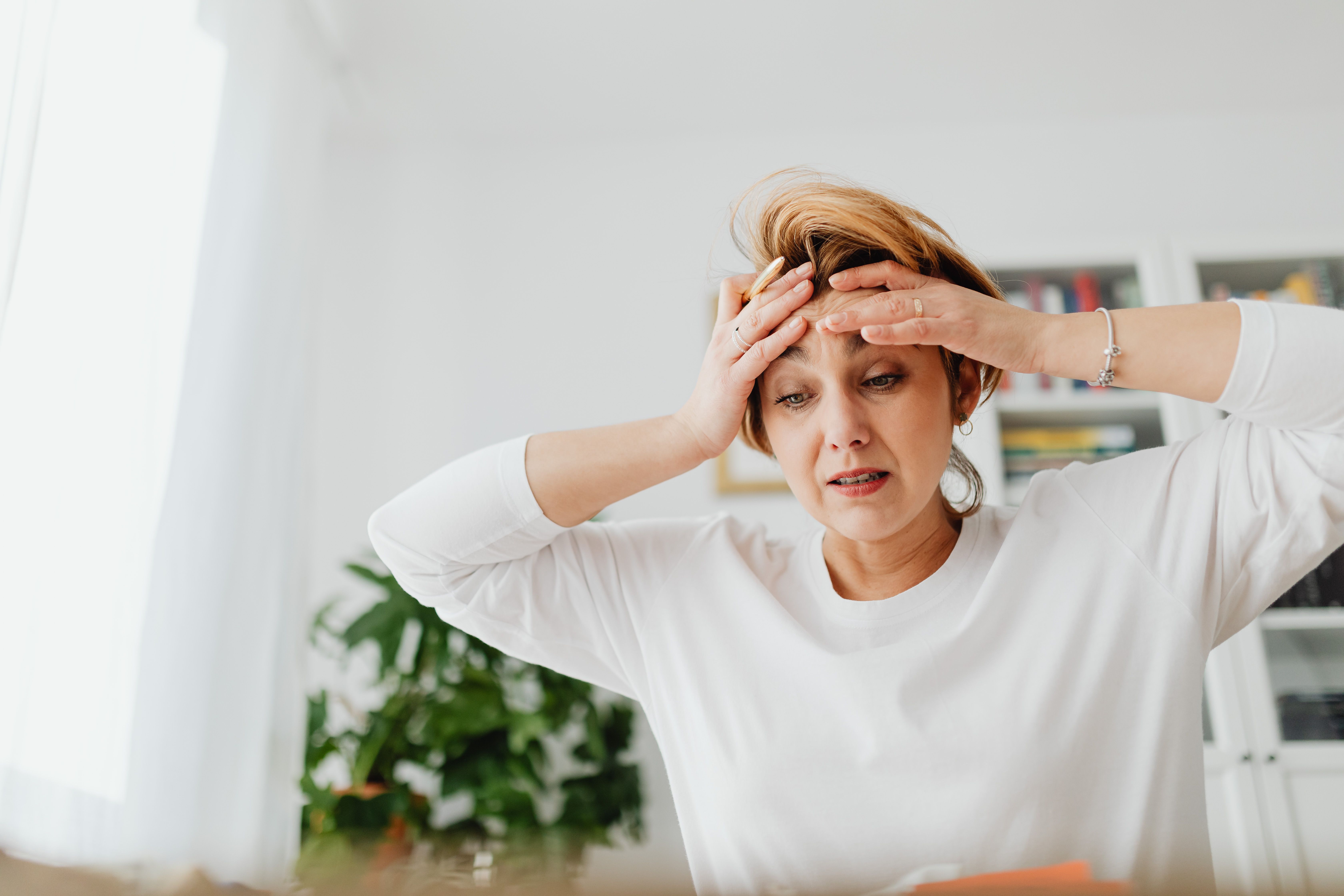
Your chest wall is a lot of muscle. The large pectoralis major fans across the front, the smaller pectoralis minor lies beneath it, and between every pair of ribs sit the intercostal muscles that help you breathe. All of them can twitch for the same everyday reasons any muscle does:
1. Stress, anxiety and shallow breathing
Anxiety raises nerve excitability across the body. It also changes how you breathe: anxious breathing tends to be fast and high in the chest, which makes the chest-wall muscles work far harder than they should. Overworked muscles twitch, and an anxious mind notices every one.
2. Upper-body exercise and strain
Bench press, push-ups, carrying heavy bags or a new sport all fatigue the pectorals. Twitching in the day or two after a hard session is very common and settles as the muscle recovers.
3. Caffeine and nicotine
Both are stimulants that make nerves fire more easily. They can also cause genuine palpitations, so cutting back helps with both kinds of sensation.
4. Poor sleep, dehydration and electrolytes
Short sleep keeps the nervous system on edge. Low fluid or low magnesium, potassium or calcium (after heavy sweating, illness or a poor diet) leaves muscles more excitable.
5. Benign fasciculation syndrome
If the chest is one of several spots that twitch, with flickers that wander from calf to arm to chest over weeks and normal strength throughout, you may be reading about benign fasciculation syndrome. Torso and chest twitching is common in BFS and is just as harmless there as anywhere else.
Why Left-Side Chest Twitching Feels So Scary
Twitching on the left side of the chest frightens people most, simply because we think of the heart as being on the left. But a twitch in the left pectoral is the same muscle event as one on the right. Heart problems do not announce themselves as a small flicker you can see or touch. They show up as pain, pressure, breathlessness or a heartbeat that feels wrong. Location alone does not turn a muscle twitch into a heart symptom.
The "Phone on Vibrate" Feeling
The buzzing version is one of the most common things people search for, often described as "vibration in my chest like a cell phone," and often worst when lying down. It usually comes from one of two things: a deep muscle twitch that you feel rather than see, or the broader internal vibration sensation that many people with anxiety or BFS describe. Both become more noticeable at night, because a quiet, still body gives the brain nothing else to attend to. If yours is mainly at bedtime, our guide to internal tremors at night goes deeper.
Chest Muscle Spasm vs Twitch
A twitch is a brief flicker that comes and goes in seconds and is not painful. A spasm is a sustained, often painful tightening, typically after a strain, a coughing bout or an awkward lift, and it can make breathing or moving uncomfortable for a while. A spasm you can clearly link to a strain usually eases with rest and gentle movement. Any chest pain you cannot clearly explain should be checked by a doctor, and severe or crushing pain needs emergency care.
"Could It Be ALS?"
If you have been reading about twitching, this worry may be in the background. ALS is defined by progressive weakness: muscles that steadily lose strength and visibly shrink, and in the chest that eventually affects breathing. Twitching on its own, with normal strength and normal breathing, is a very different picture. For the full comparison, read BFS vs ALS.
What Helps
- Breathe low and slow. Let your belly rise rather than your chest, with a longer out-breath. It takes the strain off the chest-wall muscles and calms the nervous system.
- Cut back on caffeine and nicotine for two weeks and notice the difference.
- Stretch the chest gently. A doorway stretch or opening the shoulders back eases tight pectorals, especially if you sit hunched over a desk.
- Protect sleep and hydration. Both lower muscle excitability.
- Stop checking. Repeatedly pressing on the spot, taking your pulse or scanning your chest keeps adrenaline high and makes every flicker louder.
- Get checked once if you are unsure. A normal examination and ECG can end weeks of worry.
When to See a Doctor
Emergency care (call 911 or your local emergency number) for chest pain, pressure or tightness, shortness of breath, fainting or feeling faint, or palpitations that will not stop.
Book an appointment if:
- Your heartbeat races, pounds, flutters or skips and it keeps coming back or lasts more than a few minutes.
- You have a heart condition or a family history of heart problems.
- The twitching comes with weakness, muscle wasting or any change in your breathing.
- You have chest pain you cannot clearly link to a strain.
Frequently Asked Questions
Why is the vibration in my chest worse when I lie down?
Lying still removes every distraction, so the brain notices sensations it would ignore during the day. Nervous-system "noise" such as twitches and internal vibrations is commonly worst at rest and at night.
Can anxiety cause chest twitching?
Yes. Anxiety raises nerve excitability, overworks the chest muscles through shallow breathing, and makes you far more aware of normal sensations.
Is left chest twitching a heart attack sign?
A small twitch you can see or touch is a muscle, on either side. Heart attacks typically cause pain, pressure or tightness, breathlessness, sweating or nausea. If you have any of those, call emergency services.
How long does chest twitching last?
A single twitch lasts seconds. A spell of twitching can come and go for days or weeks, especially during stress or with BFS. With normal strength and no other symptoms, duration alone is not a warning sign.
Disclaimer: This article is educational and not a substitute for medical advice. Chest symptoms can have many causes. If you have chest pain, breathlessness or a heartbeat that feels wrong, seek medical care promptly.
Sources
© 2026 BFS Organization. All rights reserved.
Not medical advice. Always consult with a healthcare professional.