Cluster Article | September 22, 2025
Can Dehydration Cause Calf Twitching?
The answer is a definitive yes—but it's more complex than just not drinking enough water. This guide explores the crucial link between electrolytes, water, and your nerve health.
You've had a busy day, maybe a tough workout, and you forgot to drink enough water. Now, as you're finally relaxing, your calf muscle starts putting on its own private show—a relentless, painless flickering under the skin. You wonder, "Could it really be that simple? Is this just from dehydration?"
**Yes, dehydration is one of the leading and most easily fixable causes of benign calf twitching.** But the mechanism is more sophisticated than a simple lack of water. The real issue lies in the delicate balance of minerals that control every single nerve impulse in your body. In fact, improper hydration can be just as problematic as under-hydration.
This comprehensive guide will break down the science of how dehydration and electrolyte imbalances lead to a state of nerve hyperexcitability. We'll do a deep dive into the specific roles of the key electrolytes, identify who is most at risk, and provide a practical, step-by-step guide to hydrating correctly to finally calm your twitching calves and your health anxiety.
The Science: Why a "Dry" Nerve is an Irritable Nerve
Your nervous system is an electrical grid. Every thought, movement, and sensation is a tiny electrical signal, or "action potential," that travels along your nerves. To be ready to fire, your nerve cells maintain a careful electrical balance across their membrane, known as the **resting membrane potential**. This state of readiness is maintained by actively pumping charged mineral ions—**electrolytes**—in and out of the cell.
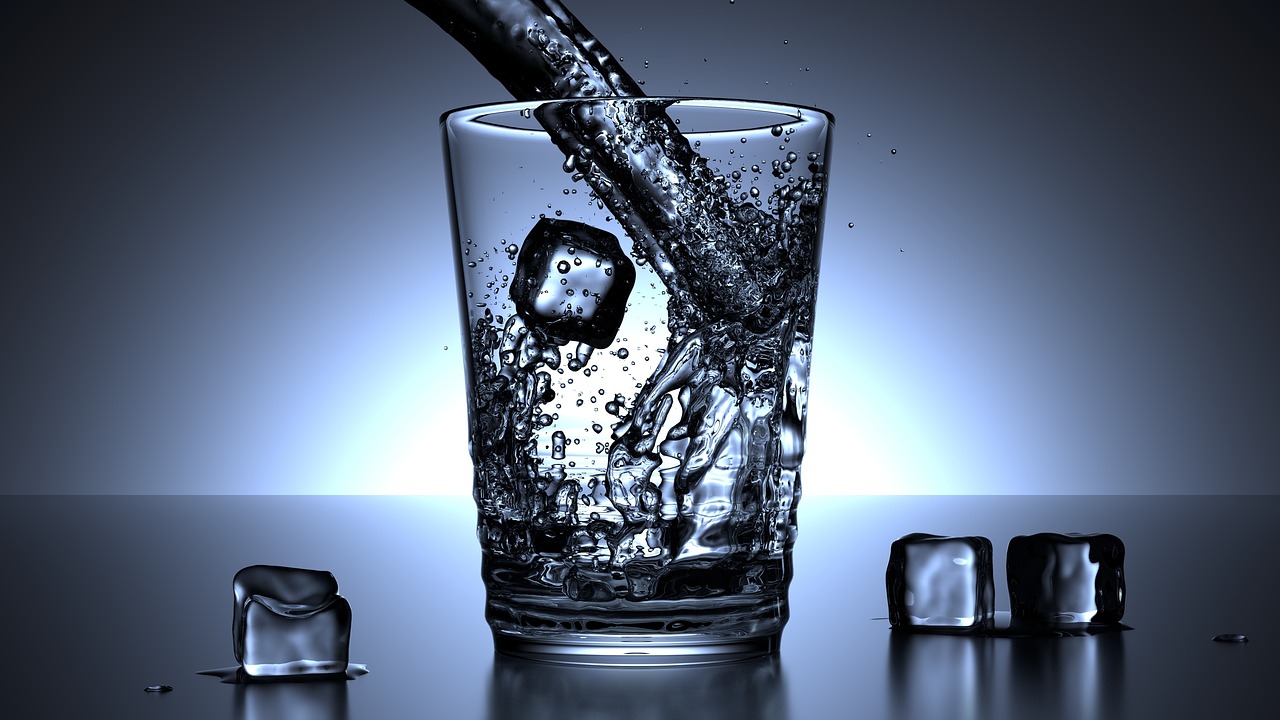
Think of it like a tiny, charged battery. When you become dehydrated, the fluid outside your cells becomes more concentrated. This disrupts the carefully maintained balance of electrolytes, changing the electrical charge across the nerve membrane. The nerve's "battery" becomes unstable and its firing threshold is lowered. It becomes "hyperexcitable," meaning it's now prone to firing off a signal with little or no stimulus [1]. That random, spontaneous signal is the twitch, or fasciculation, that you feel in your calf.
A Deep Dive into the Key Players: Your Electrolytes
Four main electrolytes are crucial for maintaining stable nerve and muscle function. An imbalance in any of them can contribute to calf twitching.
The "Nerve-Calming" Minerals
1. Magnesium: The Great Relaxer
Often called the "calming mineral," magnesium is perhaps the single most important electrolyte for preventing nerve hyperexcitability. It acts as a natural calcium channel blocker at the neuromuscular junction, which is the point where your nerve communicates with your muscle. By regulating calcium's flow, it prevents your nerves from being in a constant "on" state. Magnesium deficiency is extremely common in Western diets and is a primary suspect in cases of chronic muscle twitching and cramping [2].
- Rich Food Sources: Almonds, pumpkin seeds, spinach, dark chocolate, avocados, black beans.
- Supplement Forms: Magnesium Glycinate is often preferred as it is well-absorbed and gentle on the digestive system.
2. Potassium: The Signal Conductor
Potassium is essential for the "repolarization" phase of a nerve signal—the process of resetting the nerve's "battery" after it fires so it can fire again correctly. It works in a delicate balance with sodium. Too little potassium (hypokalemia), often caused by excessive sweating or diuretic use, can impair this resetting process, leading to muscle weakness and nerve instability that manifests as twitching.
- Rich Food Sources: Sweet potatoes, avocados, bananas, spinach, coconut water, white beans.
3. Calcium: The Contraction Commander
While often associated with bones, calcium's role in the nervous system is critical. The actual release of neurotransmitters from the nerve ending to trigger a muscle contraction is a calcium-dependent process. Both too little (hypocalcemia) and too much (hypercalcemia) can disrupt this precise signaling, interfering with the normal cycle of muscle contraction and relaxation and contributing to both cramps and fasciculations.
- Rich Food Sources: Dairy products (yogurt, cheese), fortified plant milks, sardines with bones, kale, tofu.
4. Sodium: The Initial Spark
Sodium is the primary electrolyte outside your cells and is responsible for the initial "depolarization" or firing of a nerve signal. You lose a significant amount of sodium through sweat. While high sodium is a concern in many diets, having too little—often from extreme sweating or drinking excessive amounts of plain water—can cause a dangerous condition called hyponatremia, with twitching being a key neurological symptom [3].
- Rich Food Sources: Pickles, olives, cured meats, and adding unrefined mineral salt to food.
Who is Most at Risk for Dehydration-Induced Twitching?
While anyone can become dehydrated, certain groups are more susceptible to the kind of electrolyte imbalances that trigger twitching:
- Endurance Athletes: Runners, cyclists, and swimmers lose large amounts of water and electrolytes through sweat.
- People Working in Hot Environments: Construction workers, landscapers, and factory workers are at high risk.
- Individuals with Gastrointestinal Illness: Vomiting and diarrhea cause rapid loss of both fluids and critical electrolytes.
- The Elderly: The sensation of thirst can diminish with age, leading to chronic under-hydration.
- People on Diuretic Medications: These "water pills" are designed to flush out sodium and water, and can easily deplete potassium and magnesium as well.
The Danger of Overhydration: When Water Isn't Enough
It sounds counterintuitive, but it's possible to drink *too much* plain water. This is especially true for endurance athletes who might try to rehydrate with only water after a long, sweaty event. When you drink excessive amounts of plain water, you dilute the sodium concentration in your blood. This condition, called **hyponatremia**, can be very serious and ironically causes the same neurological symptoms as dehydration, including muscle twitching, cramps, confusion, and in severe cases, seizures.
This reinforces the central theme: **true hydration is about balance, not just volume.** You must replace the electrolytes you lose, not just the water.
As you can see, these minerals are involved in a delicate dance. Dehydration is just one of several triggers that can throw off the orchestra. These factors are covered in depth in our main pillar article, Why Are My Calves Twitching?
Your Action Plan: The 7-Day Smart Hydration Protocol
Fixing dehydration-related twitching is about a systematic approach to re-establishing balance. Follow this 7-day plan to calm your nerves.
| Day | Action Plan |
|---|---|
| Day 1-2 | Baseline & Replenish: Aim for 2-3 liters of fluid. At least one liter should be an electrolyte drink or water with a pinch of mineral salt. Add one potassium-rich and one magnesium-rich food to your diet each day. |
| Day 3-4 | Audit & Adjust: Monitor your urine color (aim for pale yellow). If you exercise heavily, consume an electrolyte drink within an hour of finishing. Be mindful of diuretic drinks like coffee and alcohol and match them with extra water. |
| Day 5-7 | Build the Habit: Continue with smart hydration. Start your day with a large glass of water. Carry a water bottle with you. Identify the electrolyte-rich foods you enjoy and incorporate them permanently into your diet. By now, you should notice a significant reduction in twitching if dehydration was the primary cause. |
What to Look For in an Electrolyte Drink
The market is flooded with options. Look for a product that is low in sugar and provides a meaningful dose of key minerals. A good target is a product with at least 100mg of magnesium, 200mg of potassium, and 300-500mg of sodium per serving.
When Hydration Isn't the Only Answer
What if you follow this protocol perfectly for a week or two and still have persistent twitching? This is a very important diagnostic clue. It suggests that while proper hydration is always important, your primary trigger may lie elsewhere. This is the time to look at the other "Big Five" triggers with the same level of focus: stress, anxiety, lack of sleep, or a chronic state of nerve irritability consistent with Benign Fasciculation Syndrome (BFS).
Conclusion: It's a Simple Fix for a Complex System
So, can dehydration cause calf twitching? **Yes, it is a primary, powerful, and very common trigger.** But the solution is about more than just water. It's about respecting the complex electrical grid of your nervous system and giving it the charged minerals it needs to function smoothly and calmly.
By focusing on smart, electrolyte-rich hydration, you can often provide a simple and rapid solution to this common and unnerving symptom. You are not just quenching your thirst; you are stabilizing your entire nervous system, calming your nerves and your anxiety at the same time.
- Cuciureanu MD, Vink R. Magnesium and Stress. In: StatPearls [Internet]. Treasure Island (FL): StatPearls Publishing; updated 2023–2025. (Hypomagnesemia → neuromuscular irritability including tremors and fasciculations.)
NCBI Bookshelf - Shrimanker I, Bhattarai S. Electrolytes. In: StatPearls [Internet]. Treasure Island (FL): StatPearls Publishing; updated 2023–2025. (Clinically reviews sodium/potassium/magnesium disorders; muscle twitching noted with hypokalemia; neuromuscular effects across imbalances.)
NCBI Bookshelf - Hew-Butler T, Rosner MH, Fowkes-Godek S, et al. Statement of the Third International Exercise-Associated Hyponatremia Consensus Development Conference.Clin J Sport Med. 2015;25(4):303–320. (Over-hydration/EAH in athletes; neurologic symptoms incl. cramps; emphasizes electrolyte-aware rehydration.)
PubMed - Czell D, Schreckenberger M, Bartenstein P, et al. Distribution of fasciculations in healthy adults after exercise.Muscle & Nerve. 2016;54(1):132–135. (Shows exercise/post-fatigue can trigger benign fasciculations in healthy people.)
PubMed - Taylor K, et al. Adult Dehydration. In: StatPearls [Internet]. Treasure Island (FL): StatPearls Publishing; updated 2022–2025. (Dehydration → electrolyte disturbances (Na⁺/K⁺/Mg²⁺) causing muscle spasms/weakness; supports hydration + electrolyte replacement.)
NCBI Bookshelf
© 2026 BFS Organization. All rights reserved.
Not medical advice. Always consult with a healthcare professional.