Sleep Science & Physiology | September 16, 2025
Calf Muscle Twitching at Night: What’s Really Happening While You Sleep
That frustrating "popcorn" feeling in your calves just as you’re trying to sleep is a common complaint. We dive into the science and provide a complete plan to reclaim your rest.
The day is done. You finally slip into bed, but your body isn't on the same page. As your mind begins to drift, your calf muscles start their own private performance—a rhythmic pulsing that’s impossible to ignore. If you've ever typed “calf muscle twitch at night” into a search bar, you're not alone.
Nighttime twitching is almost always benign—a reflection of daytime inputs surfacing in the quiet of your bedroom.
This guide explains the science behind nighttime fasciculations, differentiates them from other conditions, and lays out a practical plan to create twitch‑free nights. It complements our pillar article Why Are My Calves Twitching? The Ultimate Guide.
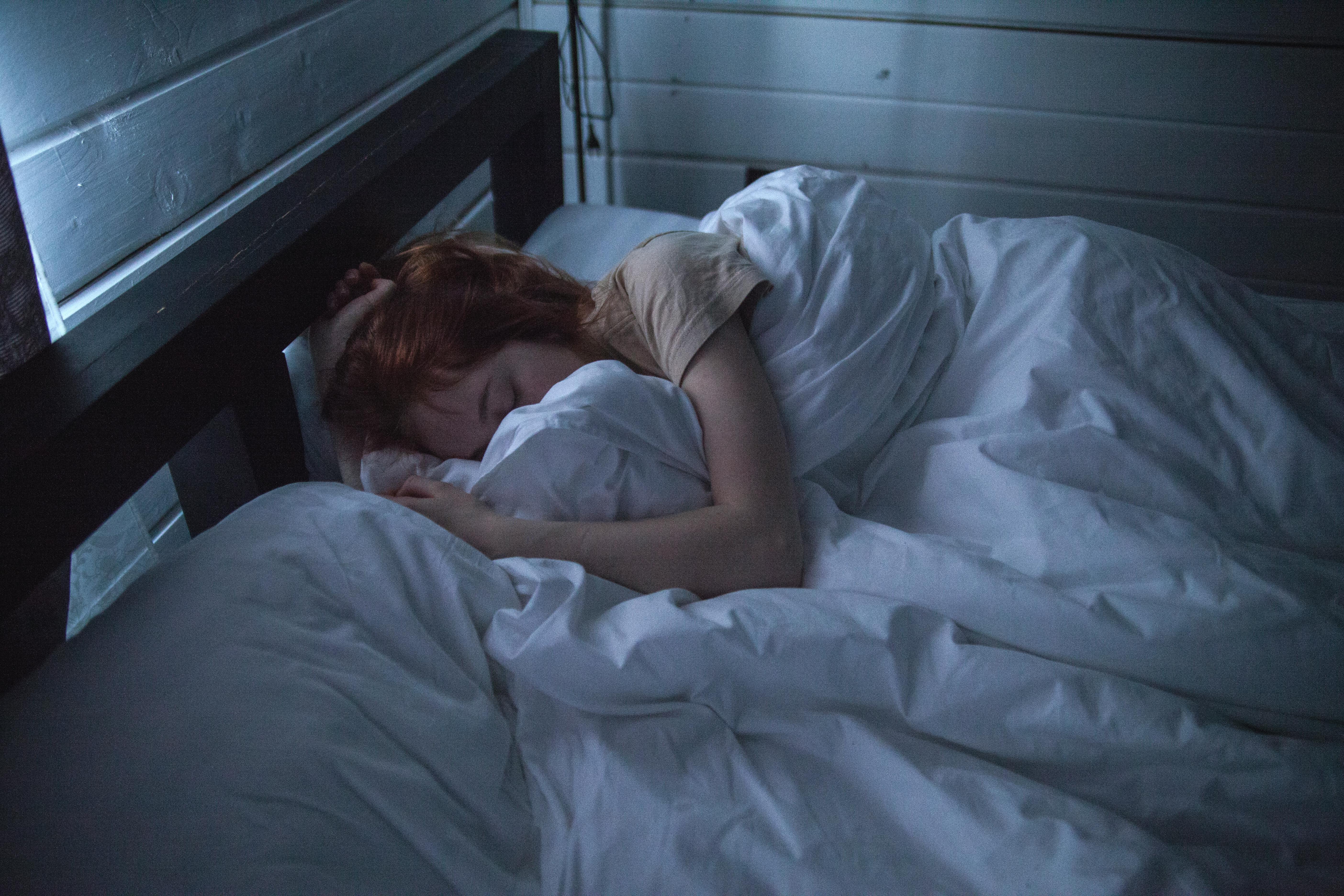
The Science: Why Your Calves ‘Party’ When You Want to Sleep
1) Cumulative Daily Fatigue
By evening, neural excitability is higher and thresholds for spontaneous firing are lower—especially after exertion—making benign fasciculations more noticeable.
2) The Quiet‑Room (Salience) Effect
In a low‑stimulus environment, subtle bodily sensations become more salient and are perceived as more intense than during a busy day.
3) Sleep‑Onset Physiology: Hypnic Jerks & Benign Myoclonus
During the transition to sleep, the brain may send brief, non‑pathologic motor bursts (hypnic jerks). These can coincide with, or heighten awareness of, benign twitches.
4) The Wired‑but‑Tired State
Late‑day caffeine and stress hormones can keep the nervous system “on,” conflicting with melatonin’s rise and promoting excitability at bedtime.
Fasciculations are brief, visible ripples without an irresistible urge to move. RLS features an urge to move the legs that begins or worsens at rest, is relieved by movement, and is worse in the evening/night.
Action Plan for Twitch‑Free Sleep
Part 1: Daytime Habits
- Morning light: 10–15 minutes of outdoor light within an hour of waking to anchor circadian timing.
- Hydration + electrolytes: Steady intake, especially with exercise or caffeine.
- Caffeine curfew: Avoid caffeine after ~2 PM; even 6 hours pre‑bed can impair sleep.
- Smart training: Prefer earlier workouts; avoid very intense, late‑evening sessions.
Part 2: 60–90 Minute Wind‑Down
- Screen curfew: Power down blue‑light devices 60–90 minutes before bed.
- Warm shower/bath: Finish ~60 minutes before bed to leverage the post‑bath drop in core temperature.
- Gentle calf/hamstring stretches: 30–60 second holds.
- Paper journal or book: Externalize thoughts; avoid stimulating content.
Part 3: Sleep Sanctuary
- Cool (65–68°F): A cooler room supports sleep initiation.
- Dark: Blackout curtains; cover indicator lights.
- Quiet: Earplugs or white noise if needed.
When to Be Concerned
- Progressive, testable weakness (e.g., foot drop, loss of push‑off strength).
- Visible calf atrophy over weeks.
- Bulbar or hand weakness, or severe, persistent pain unresponsive to rest/hydration.
If your only symptom is intermittent twitching with normal function, a benign cause is most likely.
```jsxScientific References
Five authoritative sources covering benign fasciculations, sleep/caffeine timing, evening light exposure, RLS differentiation, and magnesium-related neuromuscular excitability. Links point to the exact articles.
- Montalvo A, Benito-León J, et al. Benign fasciculations: Follow-up study with ultrasonography and electromyography. Muscle Nerve. 2021;64(6):678–684. (Course of benign fasciculations; diagnostic context.)
Wiley Online Library - Drake CL, Roehrs T, Shambroom JR, Roth T. Caffeine effects on sleep taken 0, 3, or 6 hours before bedtime. J Clin Sleep Med. 2013;9(11):1195–1200. (Even 6 h pre‑bed caffeine impairs sleep.)
PubMed - Chang AM, Aeschbach D, Duffy JF, Czeisler CA. Evening use of light‑emitting eReaders negatively affects sleep, circadian timing, and next‑morning alertness. Proc Natl Acad Sci USA. 2015;112(4):1232–1237. (Screen light delays sleep/circadian phase.)
PubMed - Allen RP, Picchietti DL, Garcia‑Borreguero D, et al. Restless legs syndrome/Willis‑Ekbom disease diagnostic criteria: Updated International RLS Study Group consensus. Sleep Med. 2014;15(8):860–873. (Criteria to distinguish RLS from fasciculations.)
PubMed - Gragossian A, Bashir K, Friede R. Hypomagnesemia. StatPearls [Internet]. Updated 2024. (Low magnesium → neuromuscular irritability, cramps/fasciculations.)
NCBI Bookshelf
© 2026 BFS Organization. All rights reserved.
Not medical advice. Always consult with a healthcare professional.